De natuur wordt in veel tuinen niet meer gedoogd. Het is een trend om een tuin te beleggen met stenen of tegels en te omzomen met een schutting in plaats van een heg. Overal worden planten in potten gezet in plaats van de volle grond. Hier is geen plaats meer voor plant of dier. Geen vlinders, insecten, egeltjes, vogels en andere prachtige natuurverschijnselen. Vlinders kunnen zich niet meer voeden of een eitje afzetten want daarvoor zijn bloeiende planten en hier en daar een brandnetel nodig. Insecten, egels en andere dieren kunnen zich niet meer verschuilen en voedsel zoeken onder de struiken en in tuinafval. De vogels, als roodborst, winterkoningen, kool- en pimpelmezen vinden geen struiken of bomen meer om te schuilen en te nestelen. In deze tuinen zijn de insecten waarmee ze hun jongen voeren niet meer aanwezig. Egels vinden er geen wormen en slakken en worden tegen gehouden door al die schuttingen. In de stedelijke omgeving wordt het voortbestaan van insecten nog verder bemoeilijkt door verschraling van de beplantingen. Steeds vaker worden uit kostenoverwegingen kleurrijke beplantingen vervangen door verharding of gazons. En dat is bepaald niet bevorderlijk voor de levenskansen van insecten. Tips voor natuurlijk tuinieren en de bevordering van biodiversiteit in de stedelijke omgeving, zie bijlage.
We grow flowers in our gardens for our own enjoyment. But colour and perfume are really the plants’ way of advertising themselves to insects. Sweet nectar and protein-rich pollen are bait to encourage insects to visit. In return, pollen is carried from one flower to another on their bodies so the flowers are fertilised. Bees are among the most beneficial insects for a garden. The best way to attract them to your garden is to provide them with some of their favourite plants such as lavender, foxgloves, rosemary, sunflowers and bluebells. Flowers with long narrow petal tubes, such as evening primrose and honeysuckle, are visited by moths and butterflies. Only their long tongues can reach deep down to the hidden nectar. Short-tongued insects include many families of flies and some moths. They can only reach nectar in flowers with short florets. Hoverflies, wasps, ladybirds, lacewings, ground beetles and centipedes are the gardener’s friends and will help control garden pests such as aphids and caterpillars. Insects such as spiders, mites, millipedes, sow bugs, ants, springtails and beetles inhabit the soil food web in the uppermost 2 to 8 inches of soil. They participate in decomposing plant and animal residue, cycling nutrients, creating soil structure and controlling the populations of other soil organisms, including harmful crop pests. Decaying organic matter in soil is the source of energy and nutrients for garden vegetables and ornamental plants. By growing flowers attractive to a range of insects, our gardens can also become important feeding stations for bats, hedgehogs, birds and other wildlife. The most important factor when encouraging wildlife into your garden is not to use insecticides.
Der Einsatz von Insektiziden in Gärten, Grünanlagen und in der Landwirtschaft vergiftet Insekten und ihre Jäger - Vögel und Fledermäuse. Intensive Grünflächenpflege in öffentlichen und privaten Anlagen führt zum Rückgang von Insekten und damit zu schwindendem Nahrungsangebot für alle Insekten fressenden Tierarten. Eine englische Studie zeigt auf, dass Haussperlinge auch bei ausreichendem Angebot von geeigneten Brutplätzen eine zu geringe Reproduktionsrate aufweisen, weil die nötigen Insekten zur Jungenaufzucht fehlen – zwei von drei Jahresbruten verhungern, die Bestände sinken. Und in der Tat mangelt es Haussperlingen Passer domesticus in den heutigen Städten nicht nur eklatant an Brutplätzen, sondern auch an Insekten als Nestlingsnahrung, Samen tragenden Wildstauden und –gräsern als Nahrung für die Altvögel und an Sand- und Wasserflächen zur Gefiederpflege. Der Rückgang des einstigen Allerweltsvogels kann als Indikator für die Bestandsentwicklung anderer Stadt bewohnender Tierarten dienen.
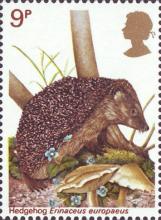
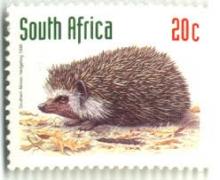
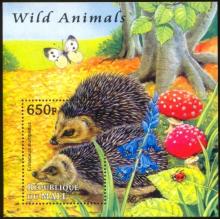
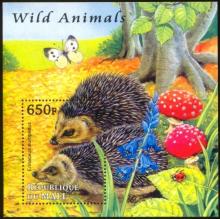
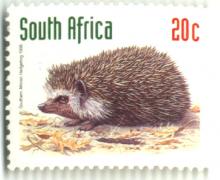
Het gaat zo slecht met de egels in Nederland dat deze op de Rode Lijst van bedreigde zoogdieren zouden moeten komen. Op grond van voorlopig onderzoek lijkt het aantal egels in Nederland in de afgelopen tien jaar gehalveerd. Recentelijk was het voor het eerst ook mogelijk een trend voor egels te berekenen vanuit de jaarlijkse systematische vogeltellingen die worden uitgevoerd door vrijwilligers van SOVON. Bij die tellingen worden ook zoogdieren gezien en geteld. De trend is dat er bijna de helft minder egels zijn in Nederland dan halverwege de jaren negentig (een significante afname in de periode 1994-2008), toen de neonicotinoide insecticiden werden ingevoerd (zie bijlage). De egel komt van nature vooral voor in kleinschalige boerenlandschappen, zoals nog in grote delen van Oost-Nederland zijn te vinden. In deze landschappen met veel houtwallen, heggen, kleine bosjes en rommelhoekjes op erven is voor de egel niet alleen voldoende voedsel te vinden, maar ook veel plek om zich te verschuilen. De egel is ook een bekende verschijning in tuinen in West-Europa. Sinds het overvloedige gebruik van insecticiden zijn er steeds minder egels in onze velden en tuinen. De egel is namelijk een van de grotere insecteneters.
To blame the badger for the loss of bird species, hedgehogs and bees is ludicrous. Badgers are carriers, not the cause, of disease. Insensitive farming methods and overuse of pesticides has had a catastrophic effect on our wildlife as a whole. I was born and raised on a farm, a farm where hay meadows were full of wild flowers and our wildlife had fantastic habitats. I would like future generations to be able to see the beauty and diversity of all our British wildlife, but it doesn’t look too good at the moment. We still have a little time to try and rectify the damage we have done, but soon it will be too late for some species, and trying to hide behind a creature and blame it for something it hasn’t done doesn’t help the situation.
Letter from A Morris, Oswestry to the Shropshire Star, published 20th January 2012
Der Igel steht in vielen europäischen Ländern unter strengem Naturschutz. Einst waren die stachligen Tiere in England weit verbreitet, heutzutage gibt es noch etwa eine Million Igel, was bereits 25 Prozent weniger sind als noch in der letzten Dekade. In 15 Jahren könnten laut einer neuen Studie alle Igel in England ausgestorben sein. Die in Deutschland vorkommenden Igel sind zwar nicht direkt vom Aussterben bedroht, ihre Bestandsdichte ist jedoch rückläufig. Die moderne Land- und Forstwirtschaft hat seinen natürlichen Lebensraum weitgehend zerstört. Auch der aufgeräumte Hausgarten erlaubt selten eine geeignete Nist oder Überwinterungsmöglichkeit. Menschen vernichten konsequent seine Nahrungsgrundlagen durch das Ausbringen von Giften und Pflanzenschutzmitteln. Die Nahrung der Igel besteht in erster Linie aus Wirbellosen (beispielsweise Insekten und deren Larven sowie Ringelwürmern). Igel, die zu Beginn der Frostperiode nicht mindestens 500 g wiegen, schaffen den Winterschlaf in freier Natur nicht und müssen verhungern. Jahr für Jahr trifft dieses Los unzählige Igel, die vom Muttertier im Herbst zu spät geboren werden und nun einfach keine Zeit mehr haben, sich dieses Gewicht bis zum Winter "anzufressen".
Imidacloprid, developed by Bayer CropScience in 1985, is an insecticide, a seed treatment insecticide and seed treatment insecticide/fungicide combination. Bayer still holds patents on the active for some formulations, specifically when combined with fertilizer. Its mode of action is nicotine acetylcholine receptor agonist/antagonist, and it is registered in more than 100 countries worldwide for use on more than 140 crops. It is used primarily on canola, cereals, corn, cotton, oil seed rape, pastures, potatoes, rice, sorghum, sugarbeet and sunflowers for approved control of aphids, fruit flies, leafhoppers, grubs, termites, thrips, white fly, wireworms, various beetles (including flea beetle and pygmy beetle), various weevils, nematodes and various fungal diseases. It also has widespread applications in noncrop, including nursery, landscape, forestry, pest control and veterinary applications. Bayer Animal Health has been using a 10% imidacloprid formulation for its popular Advantage/Advantix flea treatments for dogs and cats as early as 1986.
In Obstgärten finden unzählige Tiergruppen ihren Lebensraum: Vögel, Fledermäuse, Schläfer, Igel, Spinnen, Schmetterlinge, Schwebfliegen, Käfer und weitere Insektengruppen. Über 1000 Arten von Insekten, Spinnentieren und Tausendfüssler wurden in Obstgärten festgestellt. Besonders wichtig sind Obstgärten für Vögel: Rund 40 Brutvogelarten leben in der Schweiz im Lebensraum Obstgarten. Dies entspricht einem Fünftel der einheimischen Brutvögel.
Britain’s 30 million hedgehogs have been reduced to 1.3 million in the last 50 years. Three quarters of butterfly species are in decline. Britain has lost three of its 24 species of bumblebee in last 70 years. Moths numbers have dropped by a third since 1968. In the last 100 years, around 60 species of moth have become extinct. There are those who say all this angst about biodiversity is nonsense. But such free-marketers are wrong. Scottish Natural Heritage’s list of over 1,000 threatened species is not dominated by nice furry mammals or dramatic birds of prey, but by obscure lichens, algae, fungi, flowering plants, beetles, and more than 300 other insects on which the chaps at the top of the Mikado’s list depend, including us. “Therefore never send to know for whom the bell tolls; it tolls for thee.”
It is estimated that there are now around one million hedgehogs in Britain, representing a decline of 25 per cent over the past decade. In some parts of the country, the fall could be as high as 50 per cent. Such is the rate of decline that the long term survival of the hedgehog in Britain is now in doubt. The study was led by Toni Bunnell, a retired zoology lecturer, whose team compiled the league table of species under threat based on how fast their population was dwindling. Dr Bunnell, who runs a hedgehog sanctuary near York, cited a number of reasons for the decline in the population. “Pesticides have eliminated much of their food such as caterpillars and beetles. Then there has been a reduction of habitat in the countryside which they are having to share with predatory badgers,” she told The Daily Telegraph.